
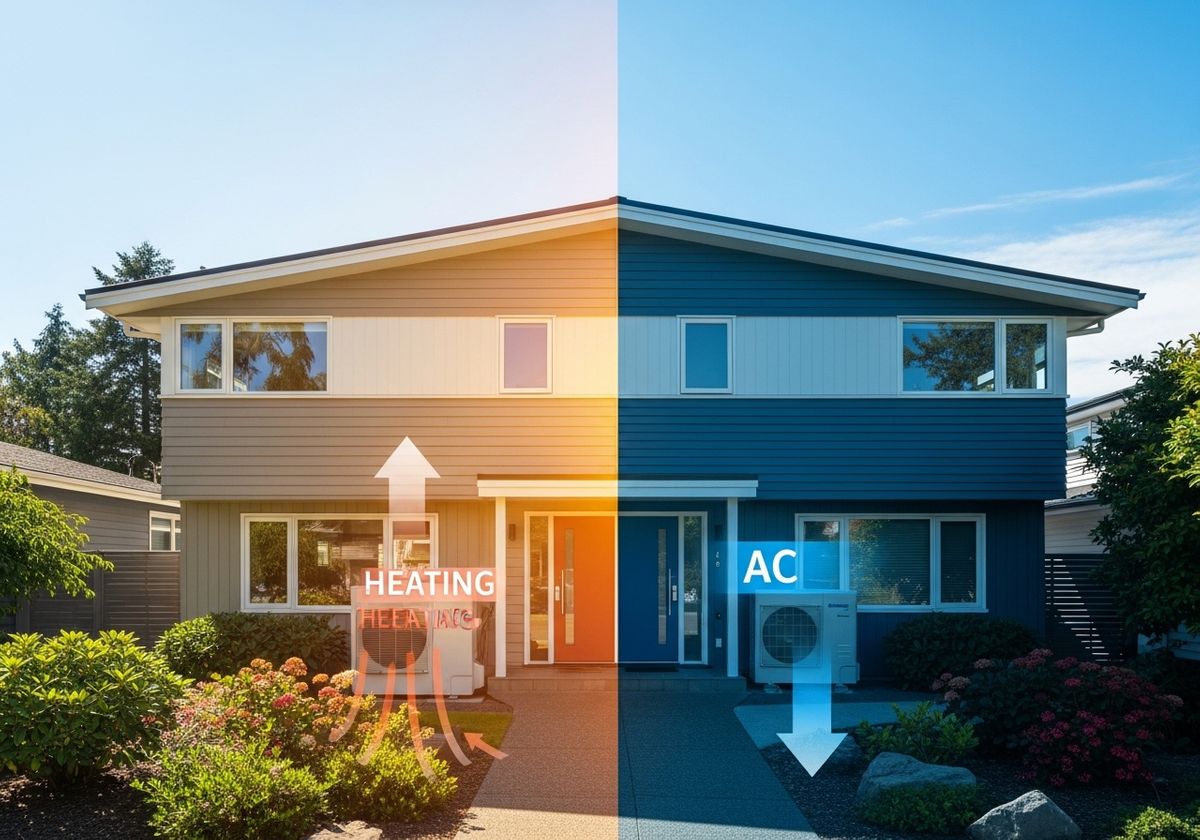
When it comes to home comfort, understanding the nuances of your cooling system is essential. Many homeowners find themselves wondering about the real differences between heat pumps and air conditioners (AC). While both serve the primary function of cooling your home, they operate with distinct mechanisms and offer unique advantages. Let's dive into the cooling differences between heat pumps and AC units.
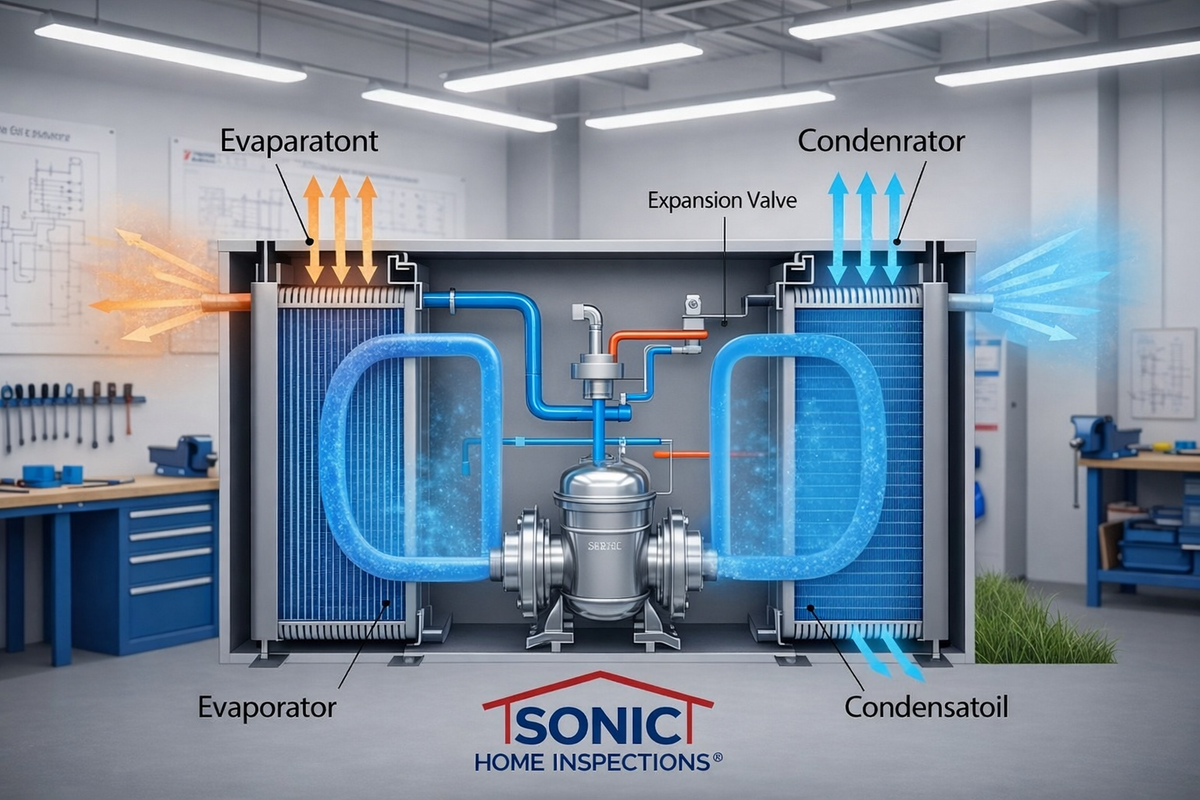
Core Cooling Process
At their core, both heat pumps and AC units use a refrigerant to absorb heat from inside your home and release it outdoors. This process involves circulating the refrigerant between two sets of coils: an evaporator coil inside and a condenser coil outside. As the refrigerant changes from liquid to gas in the evaporator coil, it absorbs heat, cooling the indoor air. Then, the refrigerant is compressed and sent to the condenser coil, where it releases the heat as it changes back to a liquid.
Key Differences in Functionality
The primary difference lies in the heat pump's ability to reverse this process. While an AC unit is designed solely for cooling, a heat pump can also provide heating. In the cooling mode, a heat pump functions similarly to an AC. However, during the heating mode, it reverses the refrigerant flow, extracting heat from the outside air and transferring it inside.
Energy Efficiency Considerations
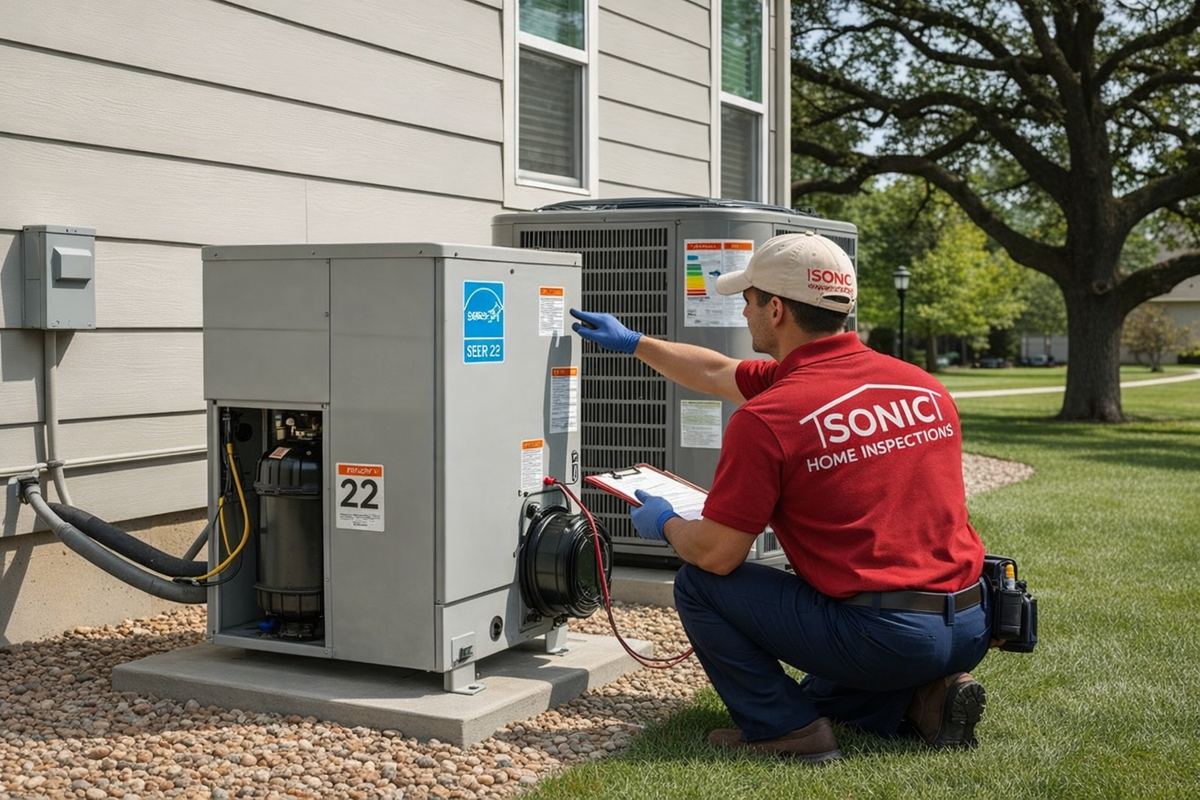
Heat pumps are generally more energy-efficient than traditional AC units, especially in moderate climates. This efficiency stems from their ability to move heat rather than generate it. In cooling mode, both systems consume energy to circulate refrigerant and operate fans, but the heat pump's dual functionality makes it a more versatile and potentially cost-effective option year-round.
Climate Suitability
While heat pumps excel in climates with moderate winters, their efficiency can decrease in extremely cold temperatures. AC units, on the other hand, are designed specifically for cooling and perform consistently well in hot climates. Therefore, the choice between a heat pump and an AC unit often depends on the specific climate and heating needs of your region.
Installation and Maintenance
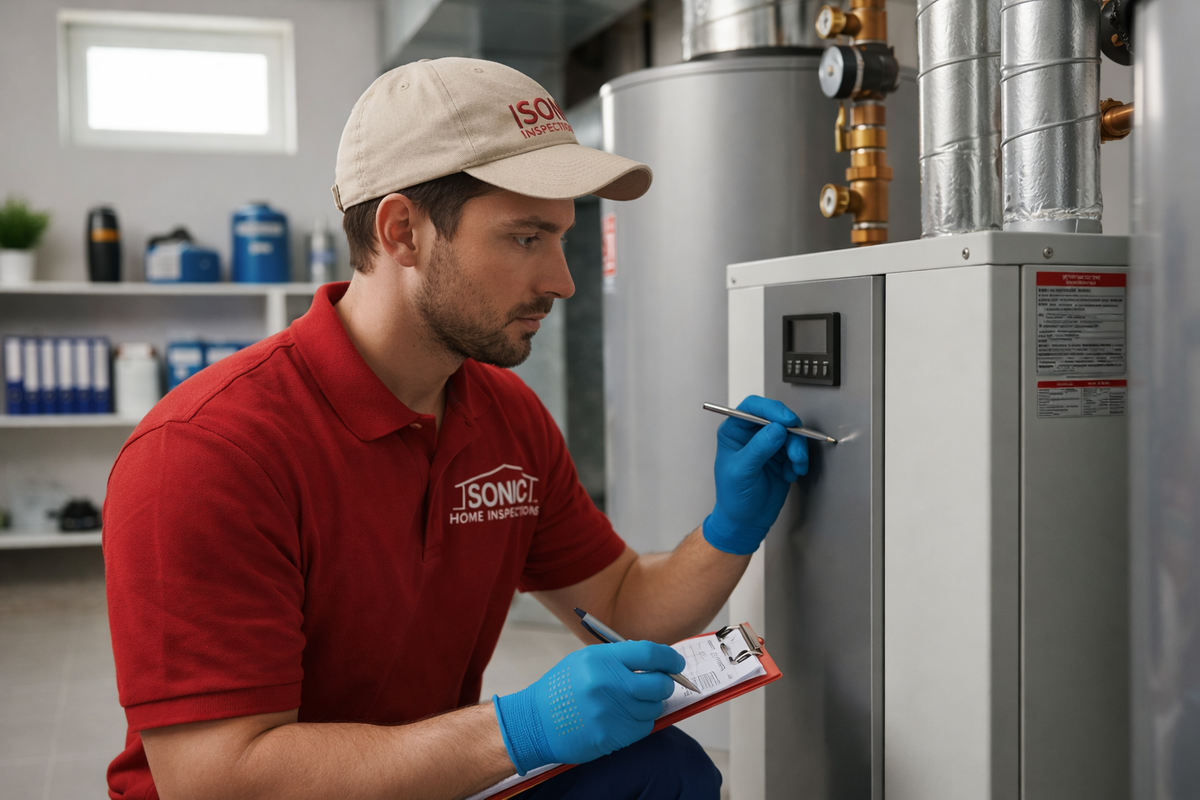
Installation for both systems involves connecting the indoor and outdoor units with refrigerant lines and electrical wiring. Maintenance typically includes regular filter replacements and occasional professional inspections to ensure optimal performance. Because of their complex functionality, heat pumps may require specialized knowledge for repairs, potentially affecting maintenance costs.
Understanding the cooling differences between heat pumps and AC units is crucial for making an informed decision about your home comfort system. While both effectively cool your home, their functionality, energy efficiency, and climate suitability vary significantly. Considering these factors will help you choose the system that best meets your needs and ensures year-round comfort. At Sonic Home Inspections, we believe in empowering homeowners with the knowledge they need to make informed decisions about their properties. Contact us today to schedule an appointment and gain peace of mind with our top-tier inspection services, ensuring your home systems are operating efficiently and effectively. For more insights and tips on home maintenance, don't hesitate to reach out – we're here to help! Inspected Once, Inspected Right!