
When it comes to ensuring the health and safety of your home, understanding the potential presence of mold is crucial. Mold can lead to various health issues and structural damage if left unchecked. At Sonic Home Inspections, we believe in empowering homeowners with the knowledge they need to make informed decisions about their property. This guide delves into the different types of mold testing and what each reveals.
Why is Mold Testing Important?
Mold is a common indoor and outdoor fungus that thrives in moist environments. While some molds are harmless, others can be toxic and pose health risks. Mold testing helps identify the type and concentration of mold spores present in your home, allowing you to take appropriate remediation steps. Ignoring potential mold issues can lead to:
Respiratory problems
Allergic reactions
Structural damage to your property
Reduced indoor air quality

Types of Mold Testing
Several methods are used to test for mold, each with its own advantages and applications. Here are some common types:
1. Air Testing
Air testing involves collecting air samples to determine the concentration of mold spores in the air. This method is useful for identifying hidden mold growth and assessing the overall air quality in your home. There are two primary types of air tests:
Spore Trap Tests: These tests use a device to capture airborne mold spores on a sticky slide. The slide is then sent to a laboratory for analysis.
Culturable Air Tests: These tests collect air samples and culture them in a petri dish to identify the types of mold present. This method can provide more detailed information about the specific species of mold.
2. Surface Testing
Surface testing involves collecting samples from surfaces where mold growth is visible or suspected. This method helps identify the type of mold and the extent of contamination. Common surface testing methods include:
Tape Lifts: A clear tape is pressed onto the surface, and any mold spores or fragments that adhere to the tape are examined under a microscope.
Swab Samples: A sterile swab is used to collect a sample from the surface, which is then sent to a laboratory for analysis.
3. Bulk Testing
Bulk testing involves collecting a physical sample of the material suspected of mold contamination, such as a piece of drywall or carpet. This method provides a comprehensive analysis of the mold species present and the extent of the contamination within the material.
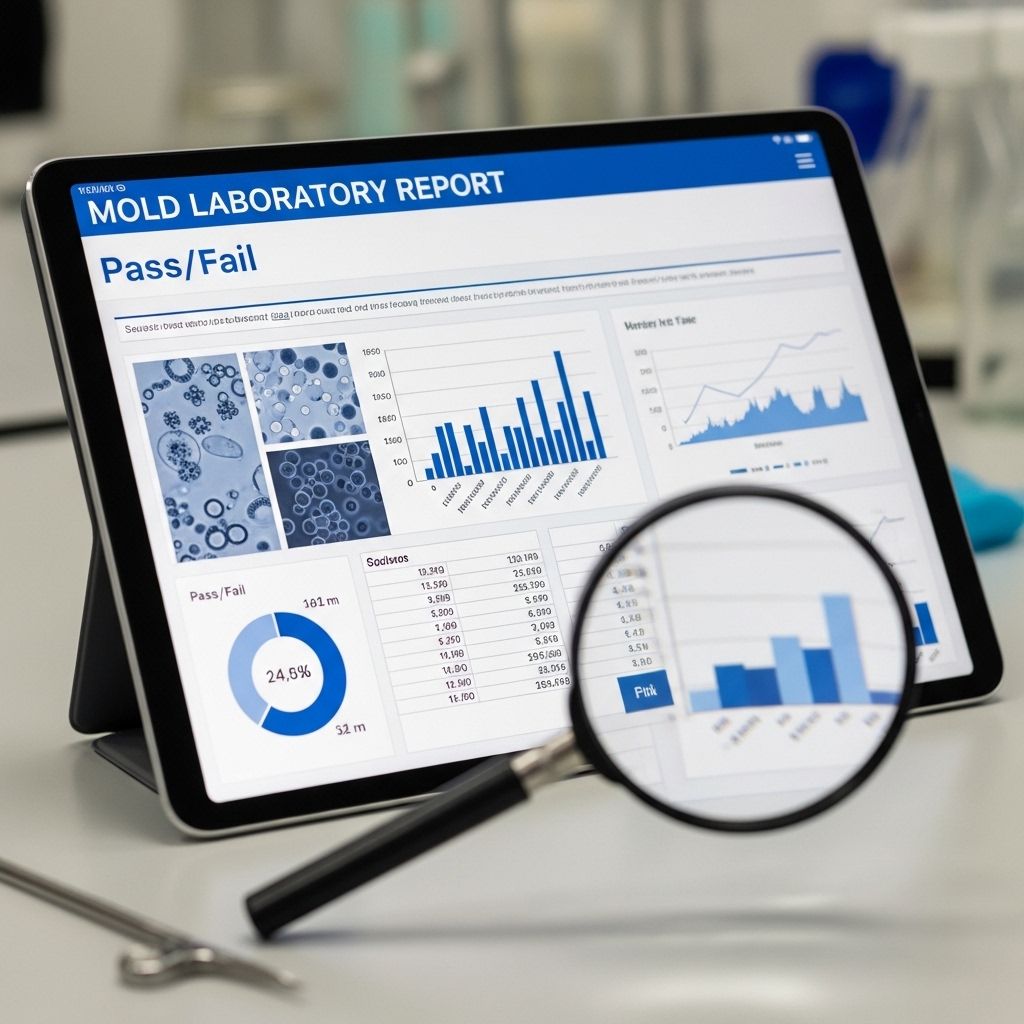
Interpreting Mold Testing Results
Understanding the results of your mold test is crucial for determining the appropriate course of action. Mold testing reports typically include the following information:
Mold Spore Count: The concentration of mold spores in the air or on surfaces.
Mold Species Identification: The specific types of mold present in the sample.
Comparison to Acceptable Levels: An assessment of whether the mold levels are within acceptable ranges based on industry standards.
If your mold test results indicate elevated levels of mold or the presence of toxic mold species, it is essential to take immediate action. Contact a professional mold remediation company to develop a plan for removing the mold and addressing the underlying moisture issues.
Understanding the types of mold testing available and how to interpret the results is a crucial step in maintaining a healthy home environment. By identifying and addressing mold issues promptly, you can protect your health and preserve the integrity of your property. Sonic Home Inspections, founded in 2016 with the slogan "Inspected Once, Inspected Right!", provides thorough and informative inspections to give you peace of mind. Contact us today to schedule an appointment or to learn more about our comprehensive home inspection services and how we can assist with identifying potential mold issues.