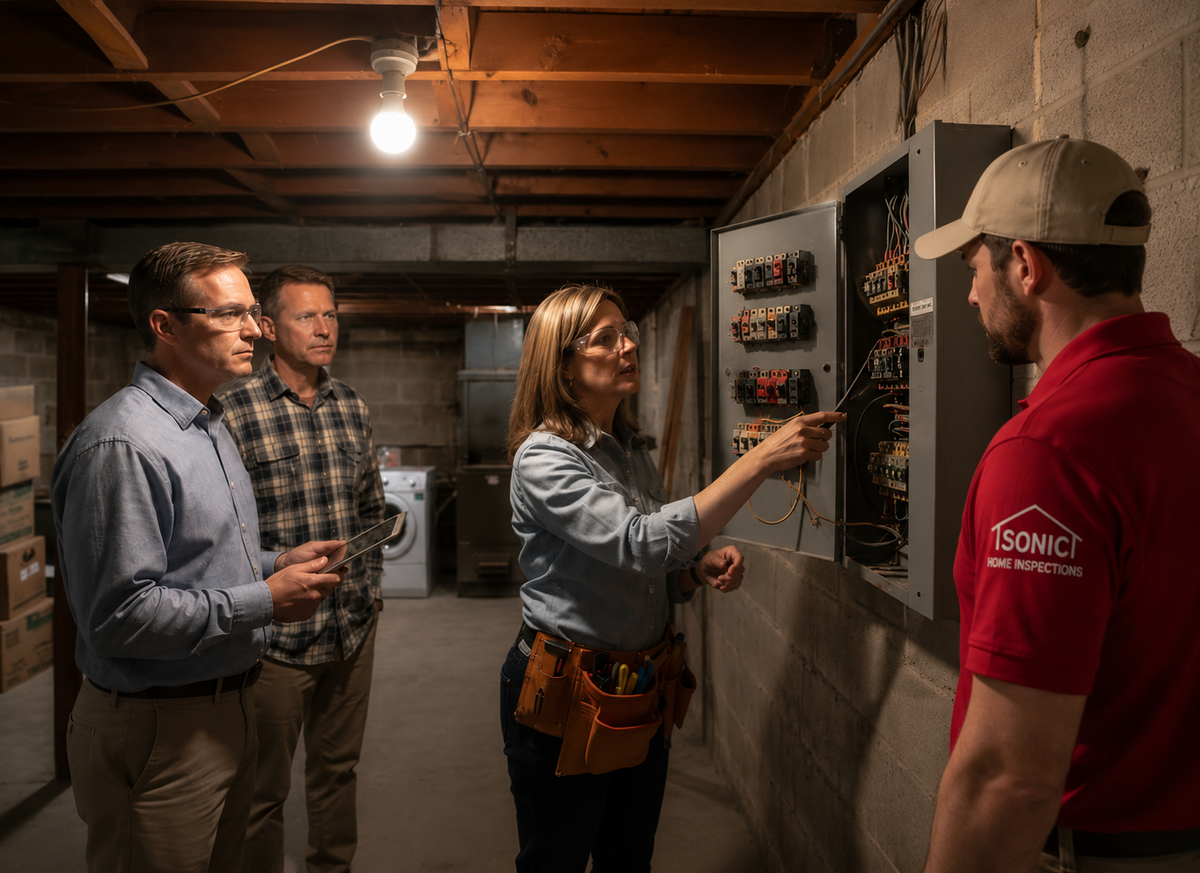
For many homeowners, the electrical panel is an out-of-sight, out-of-mind component – until it becomes a concern for safety or insurance. Older electrical panels, while seemingly functional, can pose significant risks that impact everything from your home's safety to your ability to secure affordable insurance coverage. Understanding these potential issues is crucial for safeguarding your property and your finances, and at Sonic Home Inspections, we believe in empowering homeowners with the knowledge they need to make informed decisions.
The Legacy of Older Electrical Panels
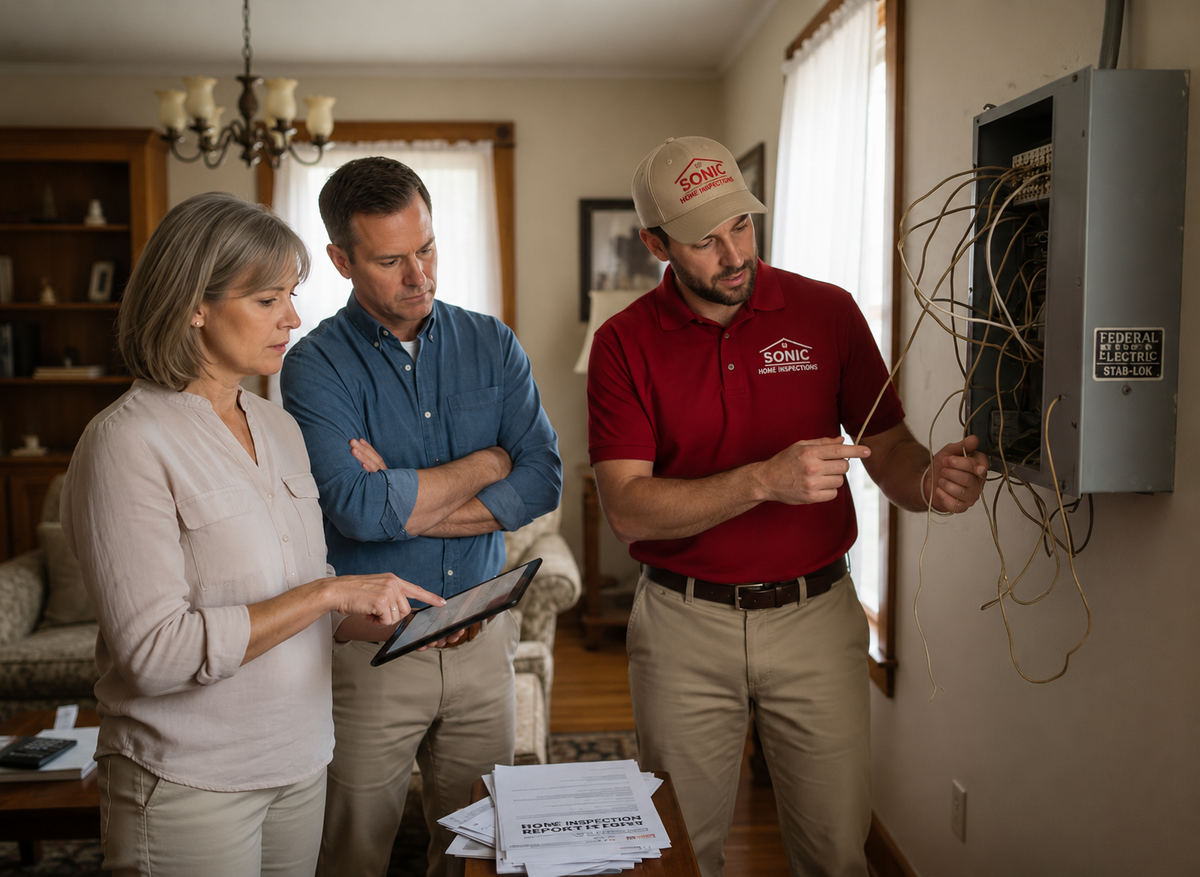
Not all electrical panels are created equal, and some older models carry a history of design flaws that present real dangers. Panels from manufacturers like Federal Pacific Electric (FPE Stab-Lok) and Zinsco, commonly installed from the 1950s through the 1980s, are particularly notorious. These systems have been linked to potential fire hazards due to breakers that fail to trip when overloaded, leading to overheating, arcing, and ultimately, fires. Beyond specific brand issues, many older panels simply weren't designed to handle the substantial electrical demands of modern homes, which now often include multiple computers, large entertainment systems, high-efficiency appliances, and electric vehicle chargers. This can lead to frequent tripped breakers, flickering lights, and a general strain on the electrical system.
How Insurers View the Risk
Home insurance companies are acutely aware of the risks associated with outdated or faulty electrical panels. From their perspective, these systems represent an increased likelihood of claims related to electrical fires, property damage, and even personal injury. Consequently, an older electrical panel, especially one known for specific defects, can significantly impact your insurance options. You might find that some insurers outright refuse to provide coverage, while others may offer a policy but with considerably higher premiums or a requirement for the panel to be inspected, repaired, or completely replaced within a specific timeframe. Failing to address these concerns could leave your home underinsured or entirely uninsured against electrical incidents.

Identifying and Addressing Potential Issues
As a homeowner, being proactive about your electrical system is key. While only a qualified professional should open and inspect an electrical panel, you can watch for warning signs such as frequently tripped breakers, flickering or dimming lights, a burning smell near the panel, or a panel that feels warm to the touch. If your home was built before the 1990s and has not had an electrical system upgrade, it's highly advisable to schedule a thorough electrical inspection. A qualified home inspector can identify the type and condition of your panel, assess its capacity relative to your home's needs, and determine if any safety concerns are present. Should issues be found, options typically range from repairing specific components to a full panel upgrade or replacement, ensuring your home's electrical system meets current safety standards.
Understanding the potential implications of an older electrical panel is a vital step in maintaining a safe home and securing appropriate insurance coverage. Proactive identification and resolution of these issues not only mitigate safety risks but also ensure your home remains an insurable asset. For a detailed assessment of your home's electrical system and other critical components, consider scheduling a comprehensive inspection with Sonic Home Inspections. We're here to provide the insights you need for peace of mind.
By Mike Kapur, Certified Master Inspector and Home Inspection Instructor