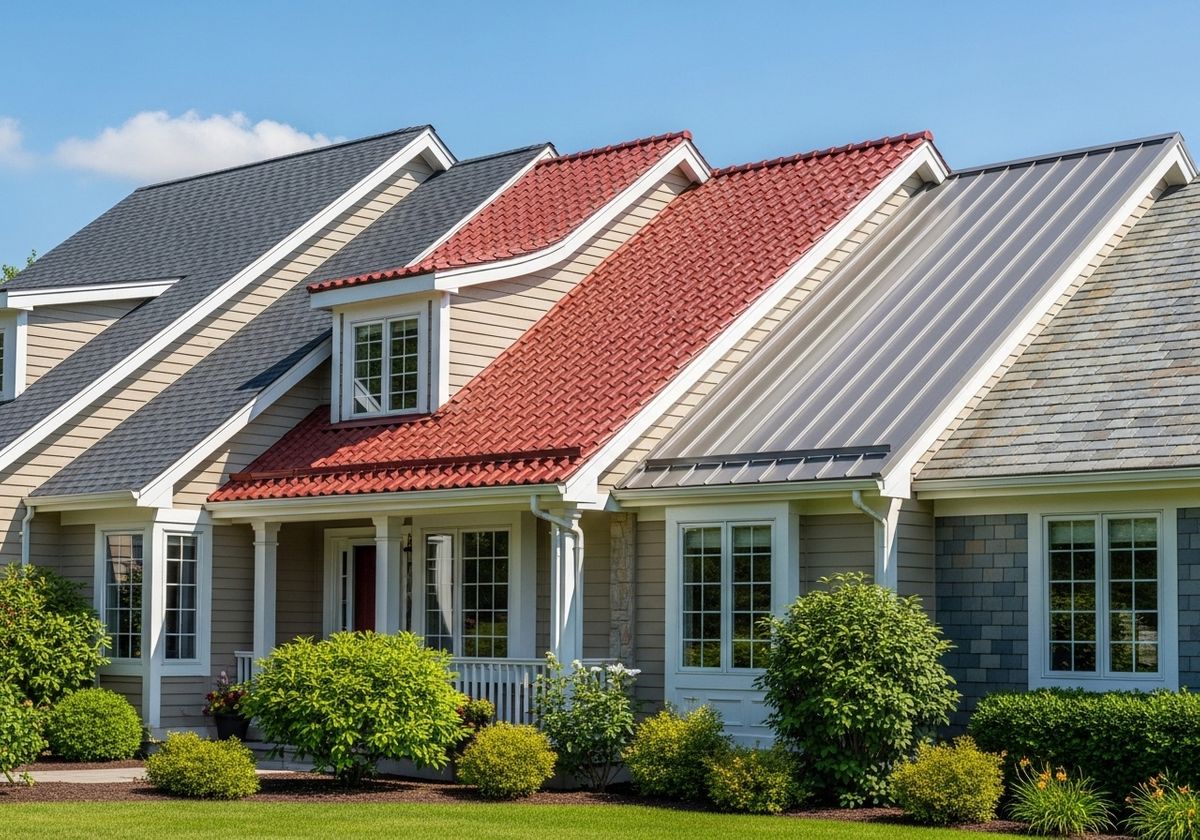
Navigating the world of roofing can be overwhelming, especially with so many options available. As we approach 2026, understanding the different roof types, their advantages, and disadvantages is crucial for homeowners and prospective buyers alike. This guide provides a detailed overview to help you make informed decisions about your roofing needs.
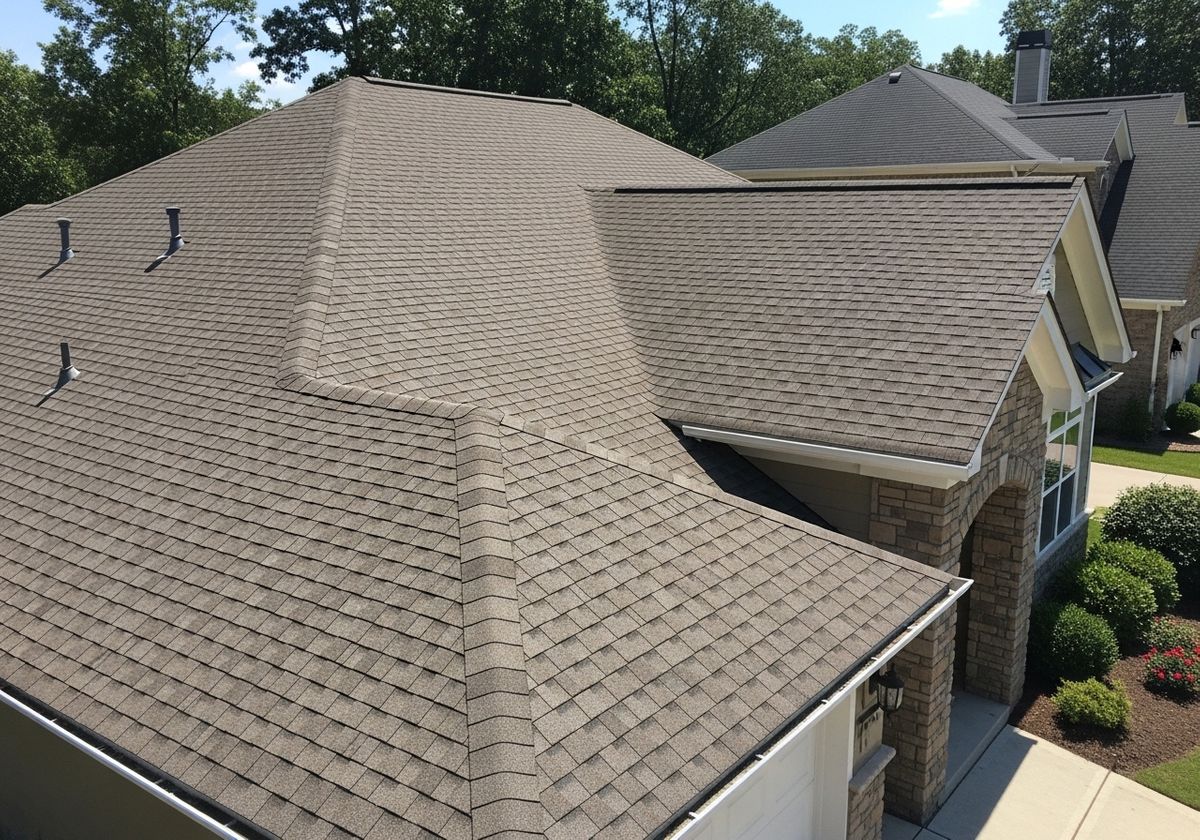
Asphalt Shingle Roofs
Asphalt shingles are the most popular roofing material in North America, known for their affordability and versatility.
Advantages:
Cost-effective: Asphalt shingles are relatively inexpensive compared to other roofing materials.
Easy Installation: Their installation process is straightforward, reducing labor costs.
Variety of Styles and Colors: Available in a wide range of colors and styles to match different home aesthetics.
Disadvantages:
Lifespan: Typically last 15-30 years, shorter than some other options.
Environmental Impact: Made from petroleum products, raising environmental concerns.
Vulnerability: Susceptible to damage from extreme weather conditions like high winds and hail.
Tile Roofs
Tile roofs, made from clay or concrete, offer a durable and aesthetically pleasing option, commonly seen in warmer climates.
Advantages:
Longevity: Can last 50-100 years with proper maintenance.
Durability: Resistant to fire, rot, and insect damage.
Energy Efficiency: Excellent thermal properties help keep homes cool in hot weather.
Disadvantages:
High Cost: More expensive than asphalt shingles.
Weight: Requires a robust roof structure to support the heavy material.
Fragility: Susceptible to cracking or breaking under heavy impact.
Metal Roofs
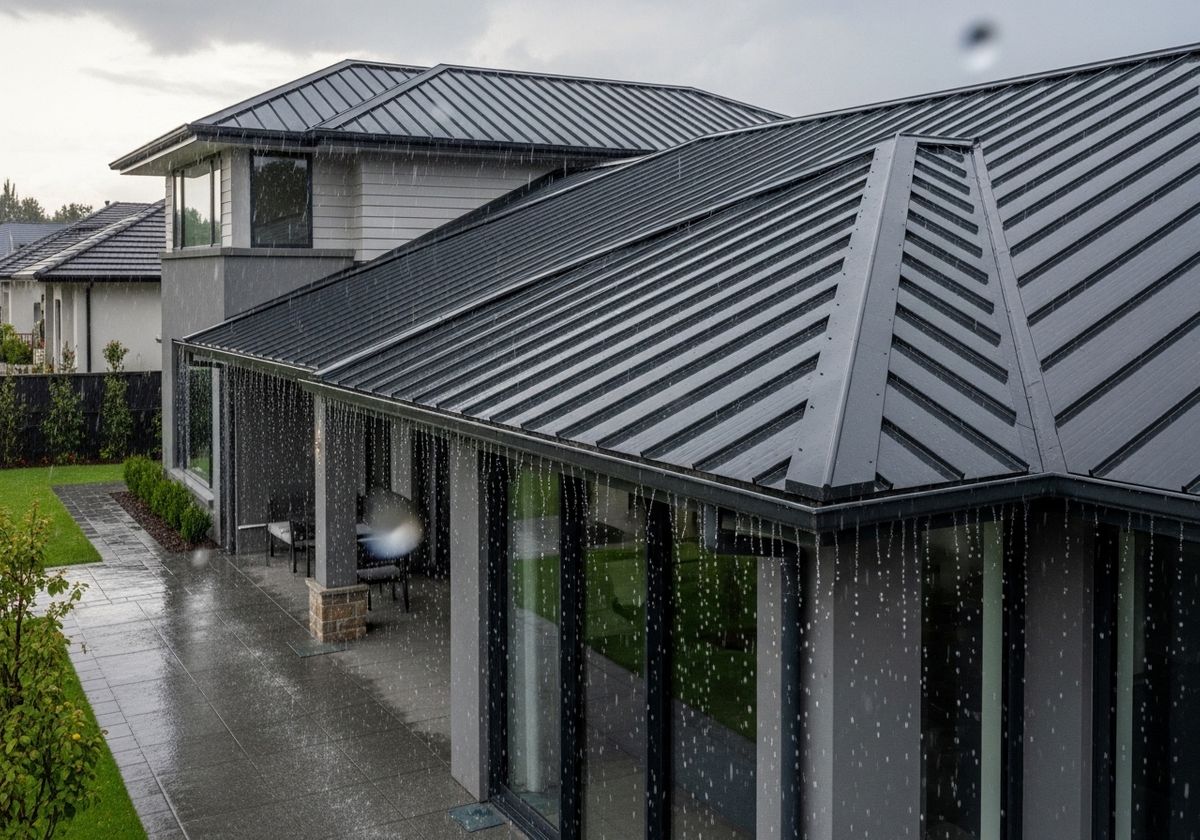
Metal roofs are gaining popularity due to their durability, longevity, and modern appearance.
Advantages:
Long Lifespan: Can last 40-70 years or more.
Durability: Resistant to fire, impact, and extreme weather conditions.
Energy Efficiency: Reflects sunlight, reducing cooling costs.
Disadvantages:
Cost: Higher initial cost compared to asphalt shingles.
Noise: Can be noisy during rain or hailstorms.
Expansion and Contraction: Metal expands and contracts with temperature changes, which can cause issues if not properly installed.
Wood Shake Roofs
Wood shake roofs offer a rustic and natural look, typically made from cedar or redwood.
Advantages:
Aesthetics: Provides a unique and attractive appearance.
Insulation: Offers good insulation properties.
Environmental Friendliness: Made from renewable resources.
Disadvantages:
Maintenance: Requires regular treatment to prevent rot, mold, and insect infestation.
Fire Risk: Susceptible to fire damage unless treated with fire-retardant chemicals.
Cost: More expensive than asphalt shingles.
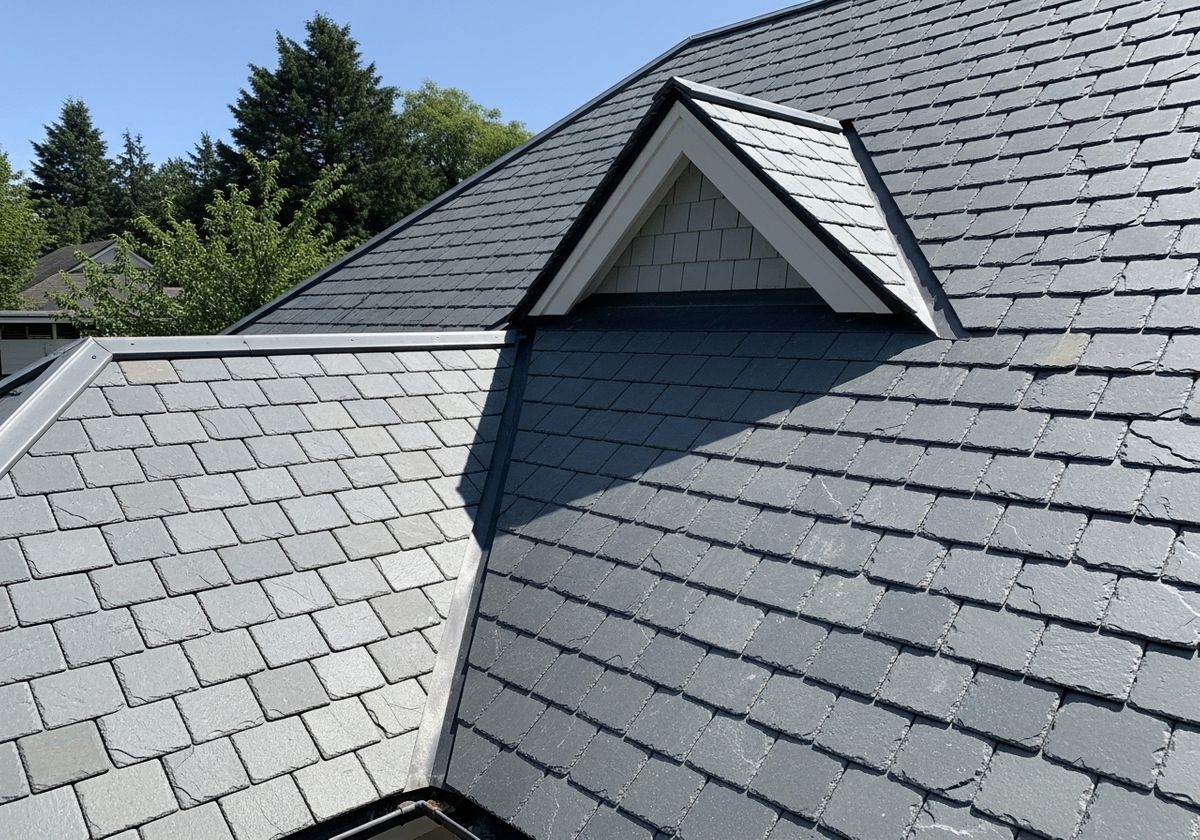
Slate Roofs
Slate roofs are one of the most durable and elegant roofing options available.
Advantages:
Longevity: Can last over 100 years with minimal maintenance.
Durability: Resistant to fire, rot, and insect damage.
Aesthetics: Provides a timeless and sophisticated look.
Disadvantages:
High Cost: The most expensive roofing material.
Weight: Requires a strong roof structure to support the heavy material.
Installation Complexity: Requires specialized installation expertise.
Selecting the right roof for your home involves careful consideration of factors like cost, durability, aesthetics, and environmental impact. Each type has its unique advantages and disadvantages, making it essential to weigh your options based on your specific needs and circumstances. Understanding these differences is the first step toward making an informed decision that will protect and enhance your home for years to come.
For homeowners looking for thorough, honest examinations and reports to inform their roofing decisions, Sonic Home Inspections provides top-tier inspection services. Our commitment to excellent communication and competitive pricing ensures you receive the best value. Contact us today to schedule an appointment and gain peace of mind with our expert inspection services. Inspected Once, Inspected Right!