
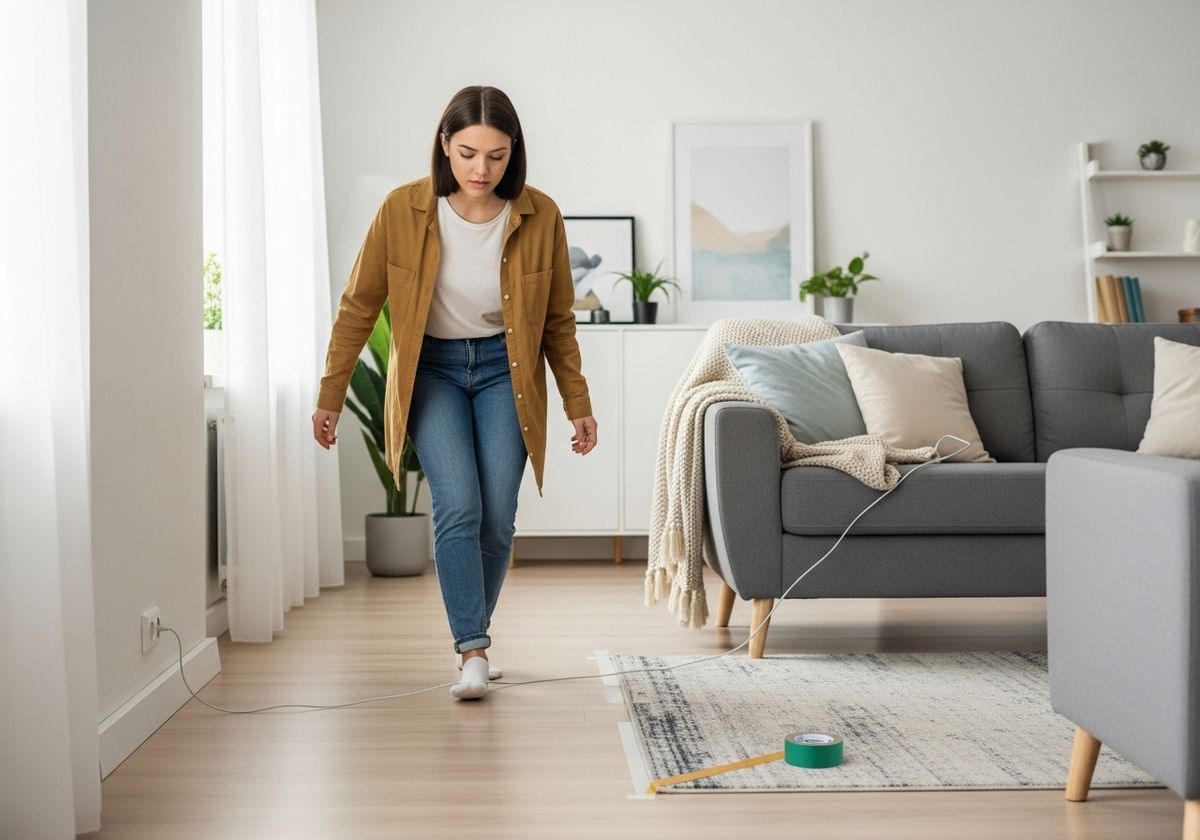
Navigating your home should be a safe and comfortable experience. However, many homes have hidden tripping hazards that can lead to accidents and injuries. As Sonic Home Inspections, founded in 2016, we've seen firsthand the importance of a safe living environment. Our motto, Inspected Once, Inspected Right!, reflects our commitment to helping homeowners identify and address potential hazards. This guide will walk you through common tripping hazards and how to eliminate them, ensuring your home is as safe as possible.
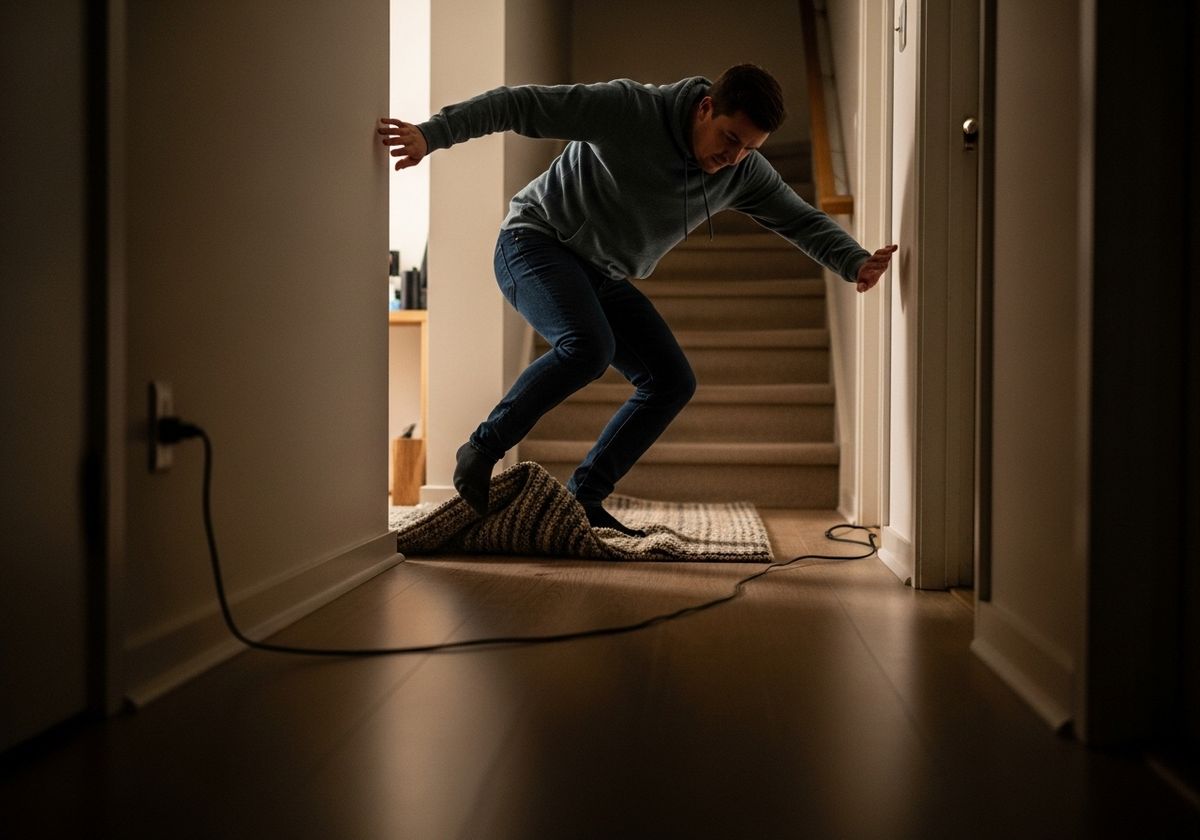
Identifying Common Tripping Hazards
Before you can eliminate tripping hazards, you need to know what to look for. Here are some of the most common culprits:
Uneven Surfaces: Cracks or raised sections in sidewalks, driveways, or patios can easily cause someone to trip. Indoors, uneven flooring, such as loose tiles or warped wood, poses a similar risk.
Clutter: Piles of books, toys, shoes, or other items on the floor are a significant tripping hazard. Clutter not only obstructs pathways but also reduces visibility of potential obstacles.
Poor Lighting: Inadequate lighting can make it difficult to see potential hazards, especially in hallways, stairwells, and entryways. Shadows can conceal obstacles, increasing the risk of trips and falls.
Loose Rugs and Carpets: Rugs and carpets that are not properly secured can slide or bunch up, creating an uneven surface. Frayed edges and curled corners are also tripping hazards.
Cords and Cables: Extension cords, power cords, and cables running across walkways are common tripping hazards. These can easily get caught underfoot, leading to falls.
Stairs: Stairs are inherently risky, especially if they are poorly lit, lack handrails, or have uneven steps. Loose or damaged stair treads can also contribute to accidents.
How to Eliminate Tripping Hazards
Now that you know what to look for, let's discuss how to eliminate these hazards:
Repair Uneven Surfaces: Repair cracks and raised sections in sidewalks and driveways with concrete patching compound. Indoors, fix or replace loose tiles and warped flooring. Consider leveling uneven floors for a smoother surface.
Declutter Regularly: Make it a habit to declutter your home regularly. Put away items after use, and keep walkways clear. Consider using storage solutions such as shelves, cabinets, and bins to keep clutter off the floor.
Improve Lighting: Install brighter light fixtures in hallways, stairwells, and entryways. Use motion-sensor lights to automatically illuminate dark areas. Add nightlights in bedrooms and bathrooms for increased visibility.
Secure Rugs and Carpets: Use rug pads or double-sided tape to secure rugs and carpets to the floor. Replace rugs with frayed edges or curled corners. Consider removing rugs altogether in high-traffic areas.
Manage Cords and Cables: Use cord organizers, cable ties, or cord covers to keep cords and cables out of walkways. Run cords along walls or under furniture to minimize tripping hazards. Consider using wireless devices to reduce the number of cords.
Maintain Stairs: Ensure stairs are well-lit and have sturdy handrails. Repair or replace loose or damaged stair treads. Consider adding non-slip treads to improve traction. Keep stairs free of clutter.

Additional Tips for a Safe Home
Conduct Regular Inspections: Regularly inspect your home for potential tripping hazards. Pay attention to areas where falls have occurred in the past.
Address Hazards Promptly: Don't ignore potential hazards. Address them promptly to prevent accidents.
Educate Family Members: Educate family members about tripping hazards and how to avoid them. Encourage them to report any hazards they identify.
Creating a safe home environment is an ongoing process that requires vigilance and attention to detail. By identifying and eliminating common tripping hazards, you can significantly reduce the risk of accidents and injuries. Regular inspections, prompt repairs, and good housekeeping practices are essential for maintaining a safe home. At Sonic Home Inspections, we're committed to providing thorough and informative inspections to help you identify potential hazards and ensure your home is safe and secure. Contact us today to schedule an inspection and gain peace of mind, knowing your home is Inspected Once, Inspected Right!. If you're interested in learning more about our services, visit our website or call us to speak with one of our knowledgeable inspectors.