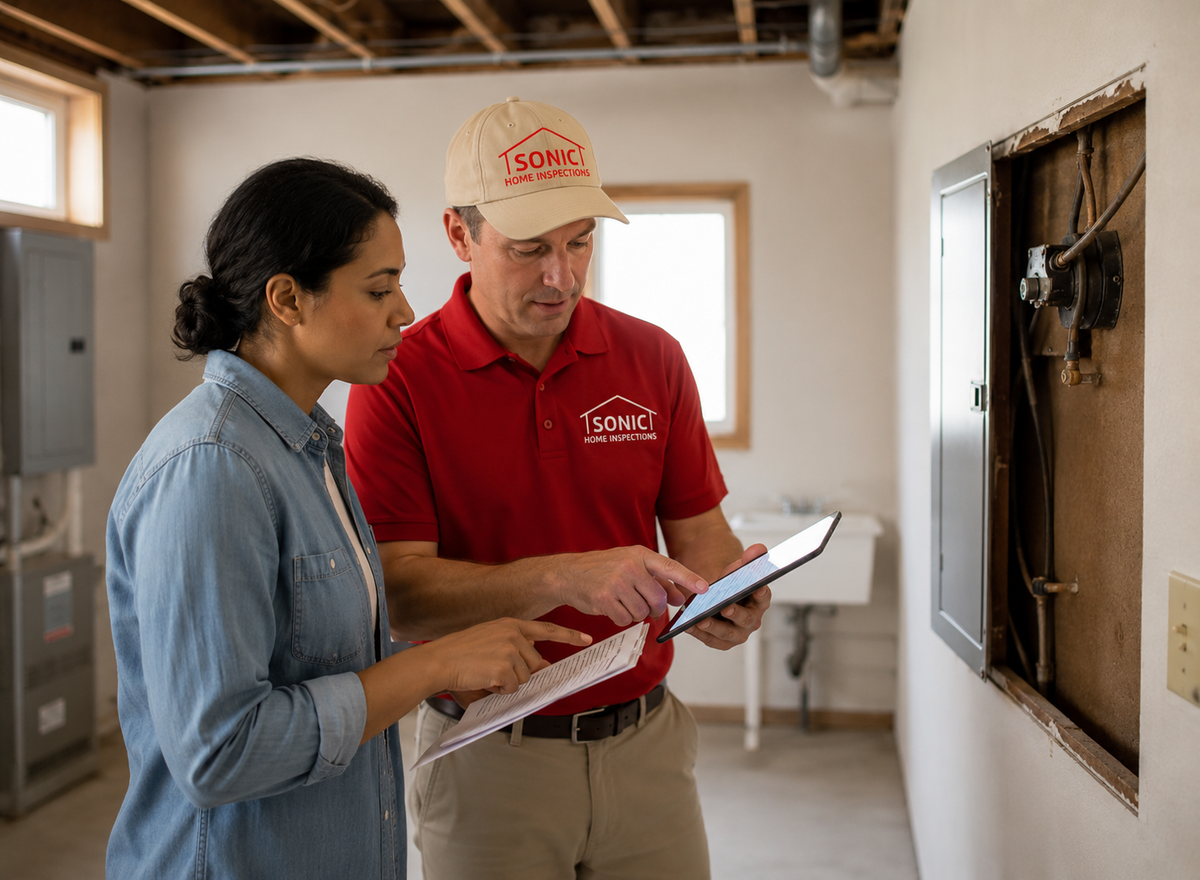
Navigating the home buying process can be both exciting and overwhelming, with one of the most critical steps being the Home Inspection. This essential review offers a deep dive into a property's condition, revealing insights that might not be visible during a casual walkthrough. Understanding these findings is key to making an informed decision, ensuring your future home is a sound investment. Sonic Home Inspections is dedicated to empowering buyers with clear, detailed information, helping you comprehend every aspect of your prospective purchase.
Understanding Structural Integrity
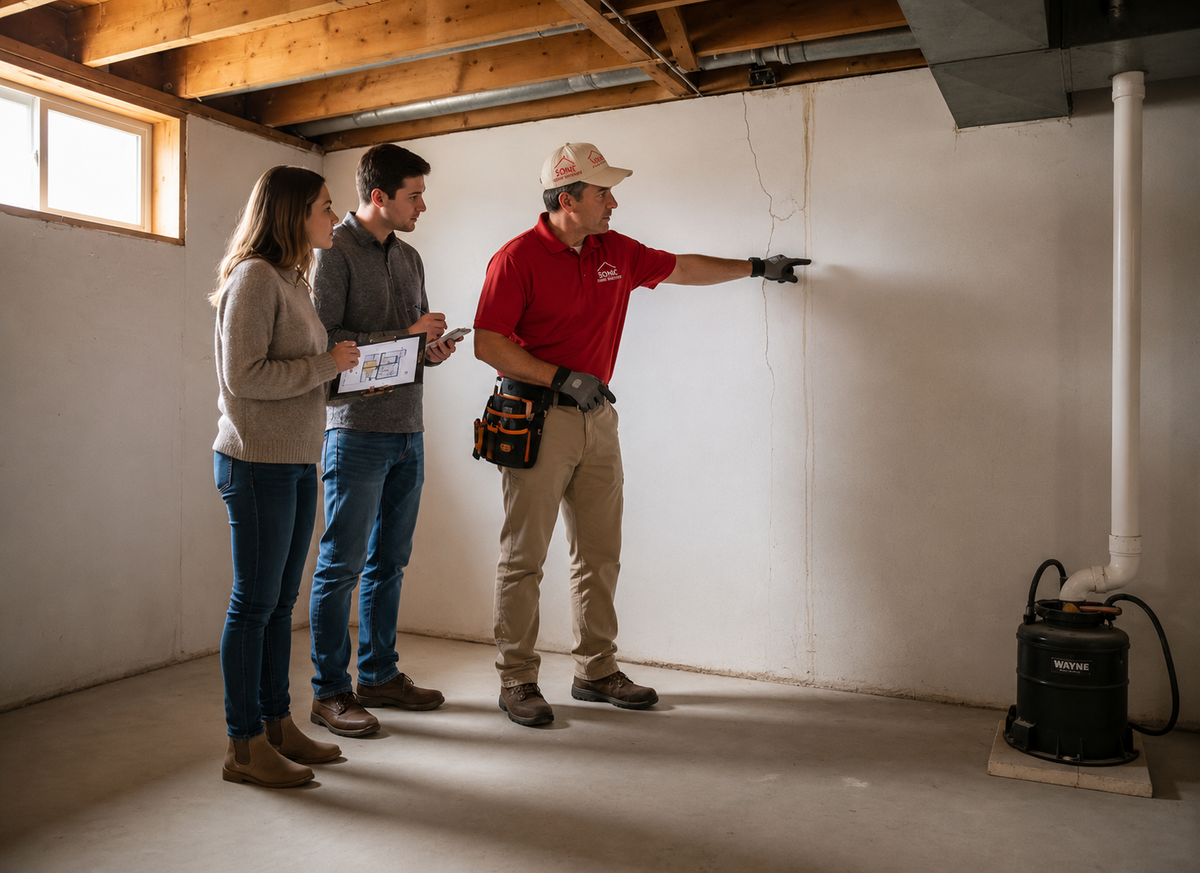
One of the primary focuses of a Home Inspection is the structural integrity of a property. Inspectors meticulously examine elements like the foundation, roof, walls, and load-bearing components for any signs of distress. Common findings can range from minor settling cracks in the foundation, which may be cosmetic, to more significant issues like bowing walls, sagging floors, or evidence of water intrusion in the basement or crawl space. A thorough inspection will also assess the roof for damaged shingles, flashing issues, or signs of past leaks, all of which can impact the home's longevity and your finances. Differentiating between a minor repair and a major structural concern is crucial for buyers.
Evaluating Essential Systems: Plumbing and Electrical
The operational systems within a home, particularly plumbing and electrical, are vital for daily living and safety. During a Residential Inspections, inspectors look for issues such as outdated electrical panels, improper wiring, insufficient grounding, or exposed wires that could pose a fire hazard. For plumbing, common findings include leaky pipes, corroded fixtures, inefficient water heaters, or issues with drainage and water pressure. Furthermore, concerns like cross-contamination between water lines or improperly vented systems are identified. Understanding the condition of these systems is critical, as repairs can be costly and impact the immediate habitability and safety of the home.
Assessing HVAC and Environmental Factors
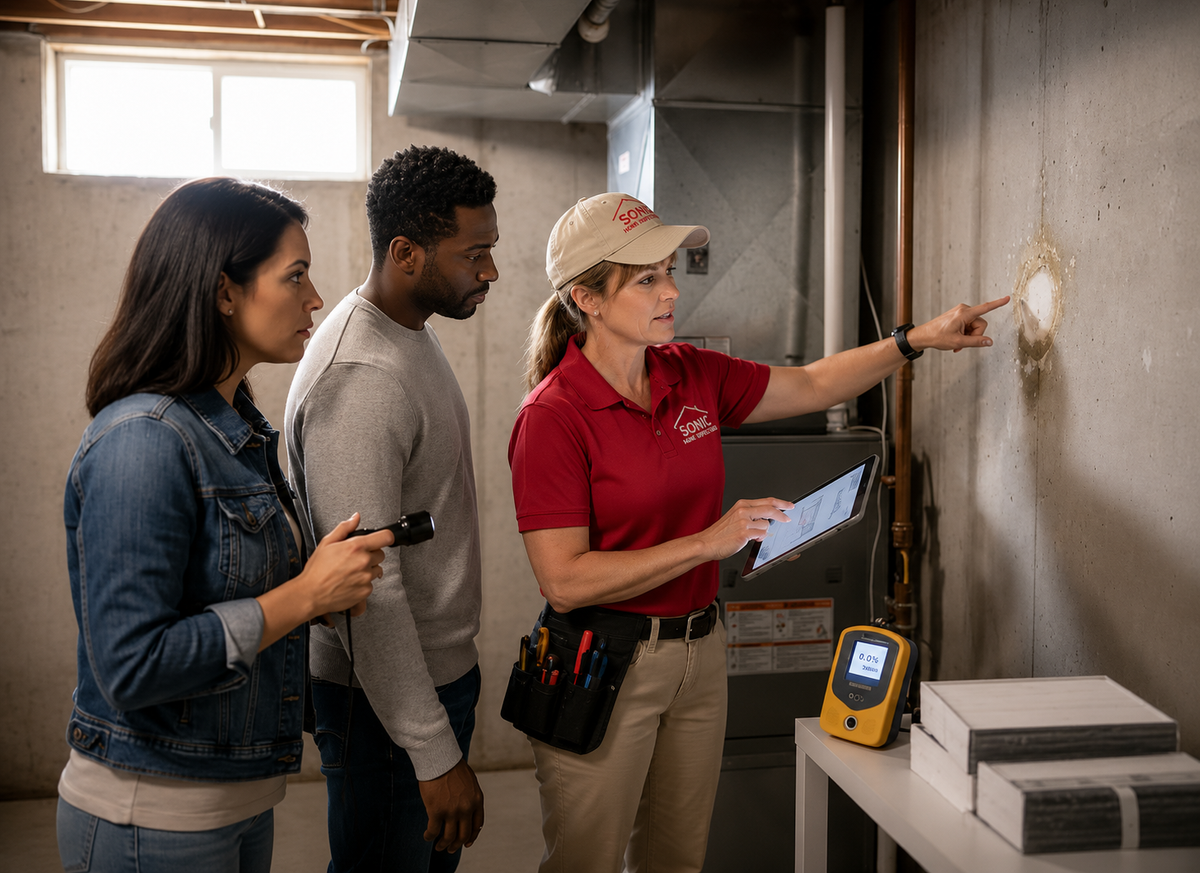
A comfortable and healthy living environment hinges on a well-functioning Heating, Ventilation, and Air Conditioning (HVAC) system. A Home Inspection will assess the age, condition, and efficiency of furnaces, air conditioners, and ductwork. Common issues can include an aging unit nearing the end of its lifespan, dirty filters impacting air quality, or inefficient heating and cooling distribution. Beyond HVAC, environmental concerns such as mold growth, radon gas, or pest infestations are also points of focus for a comprehensive Inspection Services. These factors not only affect indoor air quality and comfort but can also pose health risks or require significant remediation efforts.
The insights gained from a detailed Home Inspection are invaluable, providing clarity on a property's true condition beyond its aesthetic appeal. By decoding the common findings related to structural integrity, essential systems, and environmental factors, buyers can confidently navigate the negotiation process and plan for future maintenance or repairs. A Certified Master Inspector® (CMI®) brings unparalleled expertise to this critical process, offering a thorough and objective assessment. For a deeper understanding of your potential new home, we encourage you to connect with experts who prioritize your peace of mind and provide comprehensive reports.
Mike Kapur - Certified Master Inspector