Protecting Your Home From Wood Decay: Prevention, Early Detection, and Smart Solutions

Protecting Your Home From Wood Decay

Wood decay—often called wood rot—is one of the most common and costly problems found during a home inspection. Left unchecked, it can weaken structural components, attract pests, and lead to expensive repairs.

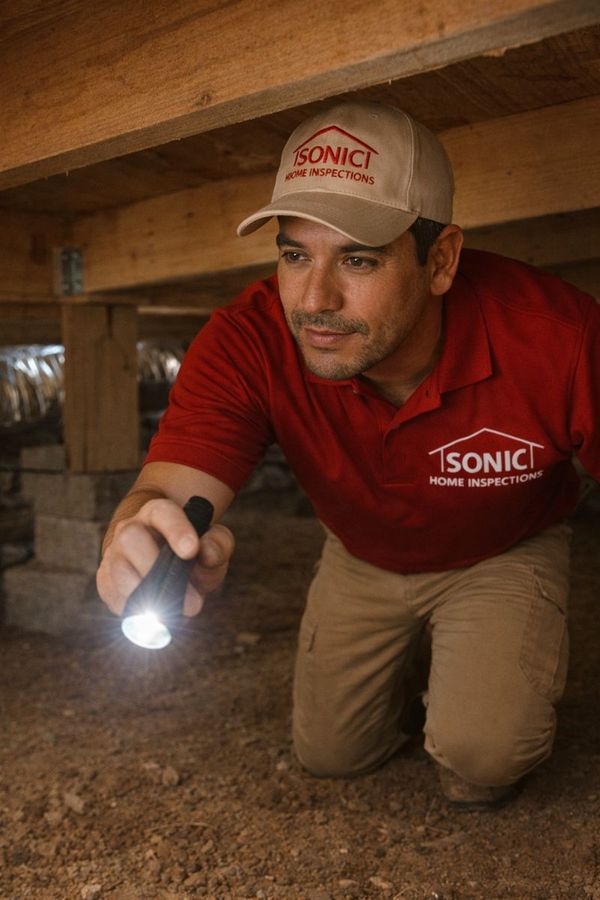
At Sonic Home Inspections, we routinely identify wood decay issues during inspections across Westchester County NY, Putnam County NY, and Fairfield County CT, helping homeowners and buyers address problems early—before they escalate.
debf8ef5-9516-438f-a58f-27b3841f121e-md.jpeg

What Is Wood Decay and Why Does It Happen?

Wood decay occurs when moisture, oxygen, and organic material combine to allow fungi to break down wood fibers. Over time, this compromises the wood’s strength and integrity.

Common causes include:

  • Chronic moisture exposure

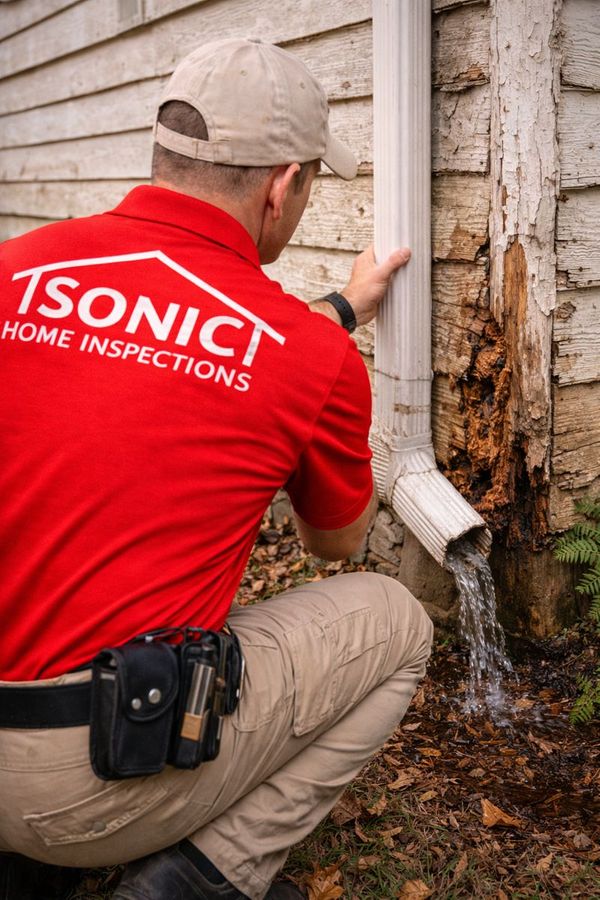
  • Poor drainage or grading

  • Roof or flashing leaks

  • Improperly sealed wood surfaces

  • Inadequate ventilation

Wood decay is often hidden, making professional inspection critical.

701ae942-74dd-46df-b606-9f39e60b07f5.png

Areas Most Vulnerable to Wood Decay

  • During a home inspection, Sonic Home Inspections pays close attention to areas where moisture and wood intersect:

    • Decks and ledger boards

    • Porch posts and columns

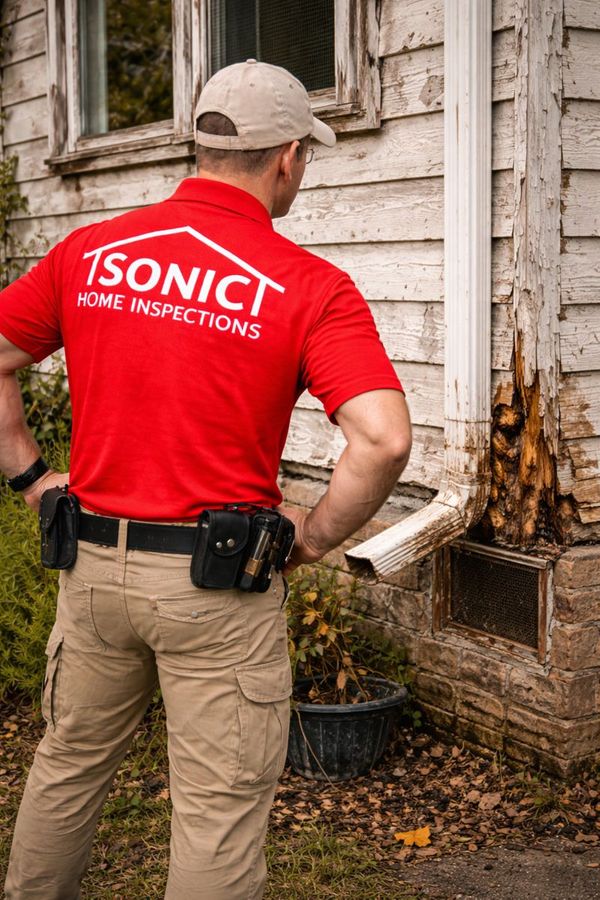
    • Exterior trim and siding

    • Window sills and door frames

    • Roof eaves and fascia boards

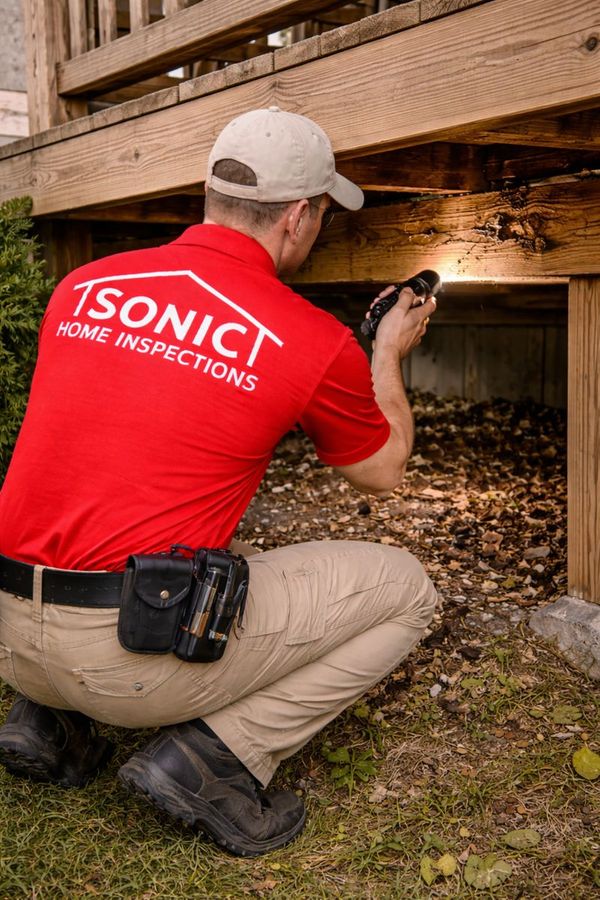
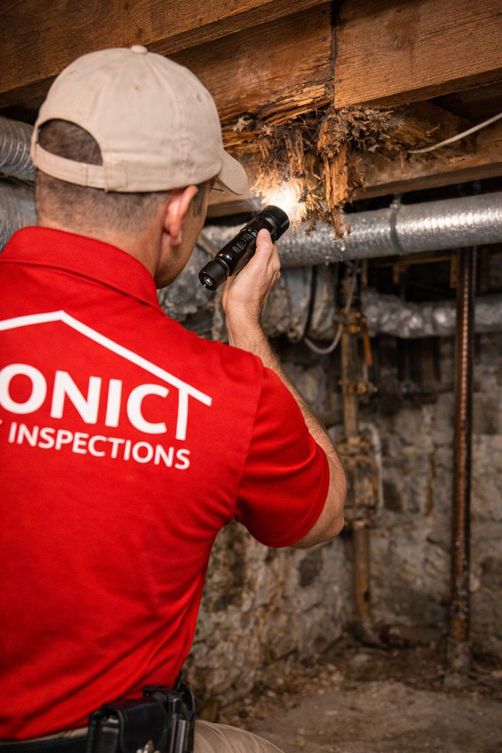
    • Crawlspaces and basements

    These locations are common entry points for moisture and decay.

8d25db3a-f73e-46f1-b882-bd2298500566-md.jpeg

Early Signs of Wood Decay Homeowners Shouldn’t Ignore

Early detection can save thousands in repairs. Warning signs include:

  • Soft, spongy, or crumbling wood

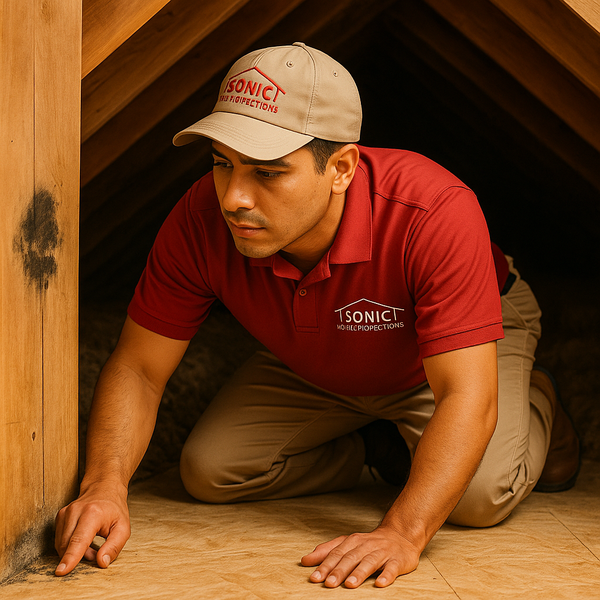
  • Discoloration or dark staining

  • Peeling paint near wood surfaces

  • Musty odors near wood components

  • Visible fungal growth

A professional inspection can identify these issues before structural damage occurs.

216c868c-ba2b-4f58-afc0-72c0882e5360-md.jpeg

How Sonic Home Inspections Detects Wood Decay

During a professional home inspection, we evaluate:

  • Visible wood components

  • Moisture-prone areas

  • Structural framing where accessible

  • Decks, porches, and exterior attachments

We document findings clearly and explain whether conditions are minor maintenance concerns or larger structural risks.

903fb521-69dd-48ff-a11c-8be20eff1124-md.jpeg

Preventing Wood Decay: Smart, Proactive Steps

  • Homeowners can significantly reduce the risk of wood decay by:

    • Maintaining gutters and downspouts

    • Ensuring proper grading away from the home

    • Sealing and painting exposed wood regularly

    • Keeping wood surfaces off direct soil contact

    • Improving ventilation in crawlspaces and attics

    • Addressing leaks promptly

    Prevention is far less expensive than repair.

a3b0c930-f215-4f0f-9a75-52b0a6e8e5c1-md.jpeg

Wood Decay, Termites, and WDO Inspections

Wood decay can also attract wood-destroying organisms (WDOs) such as termites and carpenter ants. While decay and insect damage are different issues, they often occur together.

Sonic Home Inspections can help identify:

  • Conditions conducive to wood decay

  • Signs of potential pest activity

  • When further evaluation is recommended

Sonic Home Inspection

Why Wood Decay Matters During Real Estate Transactions

  • For buyers, wood decay can:
  • Impact structural integrity
  • Trigger repair negotiations
  • Affect insurance or lender requirements
  • For sellers, identifying and addressing decay early can:
  • Prevent last-minute deal disruptions
  • Improve buyer confidence
  • Reduce negotiation pressure
211c735f-03f2-448b-ba8d-7c7f1215c8c0-md.jpeg

Schedule a Home Inspection Today