Ice Dams: What They Are, Why They Form, and How to Prevent Costly Damage

A Winter Roofing Problem Every Homeowner Should Understand

Ice dams are one of the most common winter-related roofing problems in cold climates—and one of the most damaging when left unaddressed. They can cause roof leaks, interior water damage, insulation problems, and possible mold growth.

At Sonic Home Inspections, we frequently identify ice-dam-related damage during home inspections across Westchester County NY, Putnam County NY, and Fairfield County CT.
roof-ice-dam1.jpg

What Is an Ice Dam?

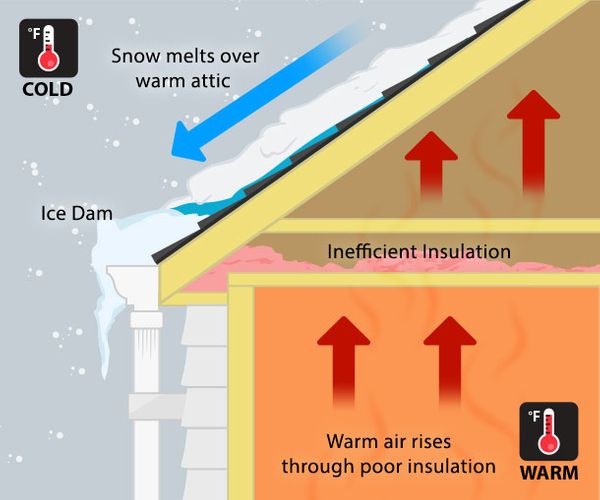
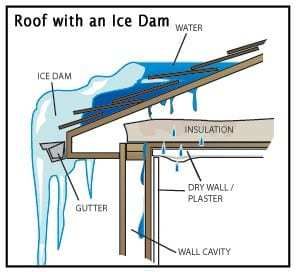
An ice dam forms when snow on a roof melts, flows toward the colder roof edge, and refreezes. Over time, ice builds up along the eaves, preventing additional melting snow from draining properly.

As water backs up behind the ice dam, it can:

  • Seep under shingles

  • Leak into attics and walls

  • Damage ceilings, insulation, and framing

Ice dams are not a roofing material problem—they are usually a heat and ventilation problem.

3b65082019098c1b3d9a1b6145b5e8bece866786.jpeg

Why Ice Dams Form

  • The most common causes of ice dams include:

    ❄️ Heat Loss From the Home

    Warm air escaping into the attic melts snow on the roof above.

    🧱 Inadequate Attic Insulation

    Insufficient insulation allows heat to reach the roof surface.

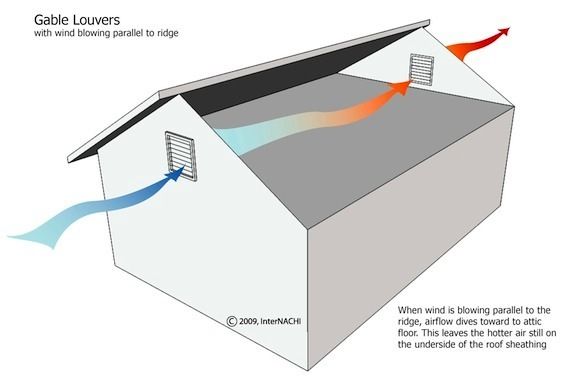
    🌬️ Poor Attic Ventilation

    Without proper airflow, warm air becomes trapped near the roof deck.

    🏠 Roof Design & Weather Conditions

    Low-slope roofs and heavy snowfall increase the likelihood of ice dams.

10bc5ec8-2b7f-492c-a5d8-2578e6adb212.png

Signs of Ice Dam Damage Homeowners Should Watch For

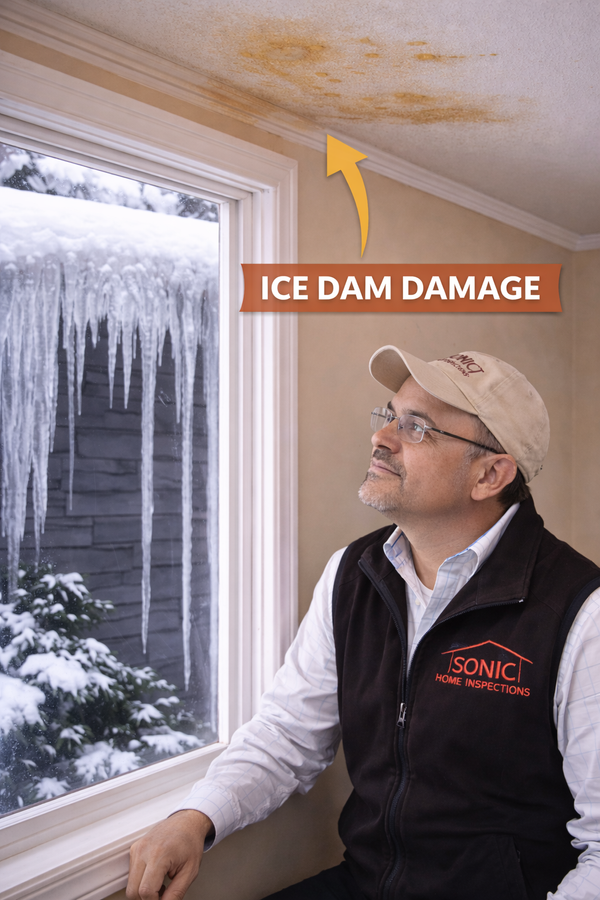
Ice dams don’t always cause immediate visible leaks. Warning signs include:

  • Icicles forming along roof edges

  • Water stains on ceilings or walls

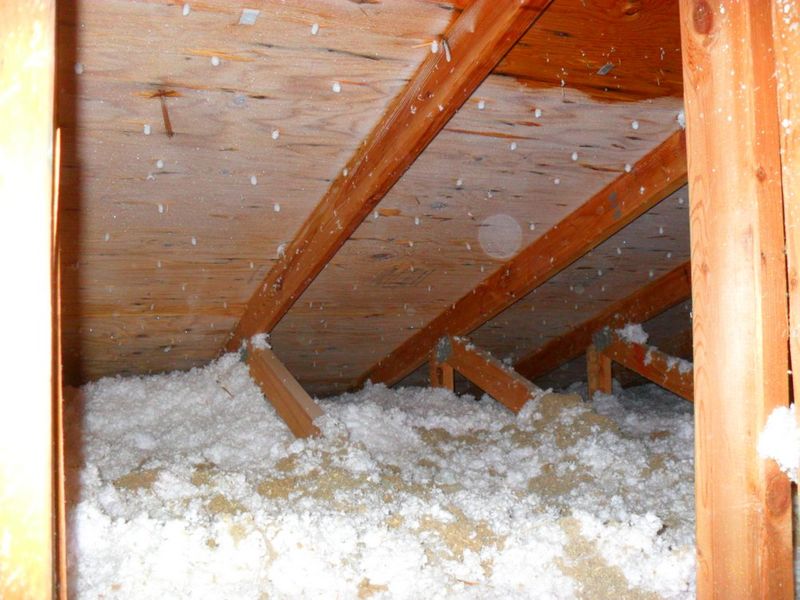
  • Damp attic insulation

  • Peeling paint near exterior walls

  • Mold or musty odors

These symptoms often appear after the ice dam has already caused damage.

4d511f7b-541c-457a-8366-43190fd3d9a6-md.jpeg

Why Ice Dams Are a Serious Concern

Unchecked ice dams can lead to:

  • Roof covering deterioration

  • Wood decay in roof framing

  • Interior drywall and ceiling damage

  • Insulation saturation

  • Possible Mold growth

Repairs caused by ice dams are often far more expensive than preventive improvements.

1-26-11.jpg

How to Prevent Ice Dams

  • ✔ Improve Attic Insulation

    Proper insulation keeps heat inside the home—where it belongs.

    ✔ Ensure Proper Attic Ventilation

    Balanced intake and exhaust ventilation helps keep the roof cold.

    ✔ Seal Air Leaks

    Seal gaps around attic hatches, recessed lights, and duct penetrations.

    ✔ Keep Gutters Clear

    Clear gutters allow melting snow to drain properly before refreezing.

    ✔ Remove Snow Safely

    After heavy snowfall, roof raking (from the ground) can reduce buildup.

    ⚠️ Avoid chipping ice from the roof—it can damage shingles and create safety hazards.

378ae76e-21dc-42cc-b011-ac1b35b9b9fb-md.jpeg

Temporary vs. Long-Term Solutions

  • Temporary fixes (roof raking, ice melt products) may reduce immediate risk

  • Long-term solutions (insulation, ventilation improvements) address the root cause

A professional inspection may identify which solution is appropriate for your home.

ice-dams.jpg

Ice Dams and Home Inspections

During a home inspection, Sonic Home Inspections evaluates:

  • Attic insulation levels

  • Ventilation conditions

  • Evidence of past or active leaks

  • Roof edge and eave conditions (when visible)

We help homeowners understand whether ice dam conditions are likely to recur and what improvements may help prevent them.

c0a12f88-1a23-4dd5-aef0-f5a1decd8a29-md.jpeg

Schedule a Home Inspection with an expert