The ocean air isn't just pleasant; it's a constant, corrosive force. Salt and moisture combine to attack a home’s structure and systems in ways that inland properties rarely experience.
1. Corrosive Salt Damage
Salt air carries microscopic salt particles that settle on every exterior surface. When these particles mix with moisture (rain, fog, high humidity), they create a corrosive electrolyte.
Metal Components: Air conditioning units, exterior lighting fixtures, gutters, downspouts, flashing, and even the nails and screws holding your deck together are susceptible to rapid rust and corrosion. We meticulously check for premature failure in these critical metal elements.
Masonry and Concrete: Salt crystalizes within porous materials like brick, mortar, and concrete foundations, causing them to spall (flake) and deteriorate. This is particularly noticeable around patios and lower foundation walls exposed to sea spray.
2. Persistent Moisture and Humidity
The high humidity levels near the coast are ideal conditions for mold, mildew, and wood rot, even without direct water leaks.
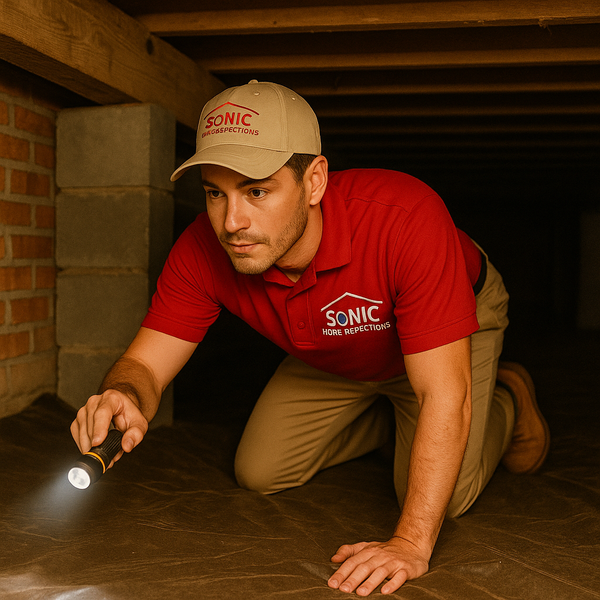
Attics and Crawlspaces: Poor ventilation in these areas, combined with humid air, can lead to condensation, which is a prime catalyst for wood decay and mold growth. Our inspectors use moisture meters to identify elevated moisture levels invisible to the naked eye.
Siding and Trim: The constant moisture exposure can compromise the paint and sealant on wood and composite siding, allowing water to penetrate and accelerate rotting, especially around seams and window frames.