Don't Let Your Deal Die: 5 Small Fixes That Save Your Home Sale

Selling your home can feel like a high-stakes game. You've cleaned, decluttered, and maybe even staged. But there's one hurdle that can make or break your deal: the home inspection.

For many sellers, the inspection report feels like a terrifying lottery. Will they find a major foundation issue? A collapsing roof? While significant problems can certainly arise, it's often the accumulation of small, overlooked issues that spooks buyers and causes deals to fall apart or renegotiations to drag on.

The good news? Many of these "deal breakers" are incredibly easy to fix. As a professional home inspector at Sonic Home Inspection, we see the same minor issues pop up again and again. Addressing these before your buyer's inspector even sets foot in the door can save you stress, time, and potentially thousands of dollars. Think of this as your pre-listing playbook to a smooth closing.
unnamed (16).jpg

The 10$ Solution: Change Those Dirty HVAC Filters

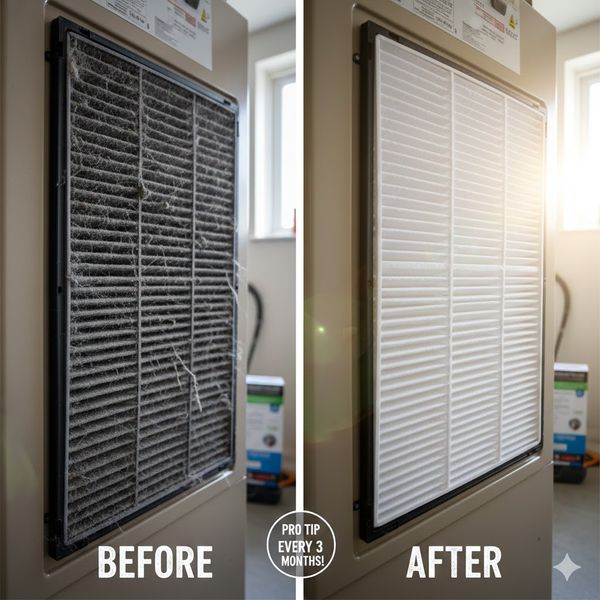
This is probably the most common issue we as inspectors at Sonic Home Inspection find, and it's also one of the easiest to fix. A clogged, filthy HVAC filter doesn't just reduce air quality; it makes your heating and cooling system work harder, wasting energy and shortening its lifespan.

Why it matters to an inspector: A dirty filter suggests poor maintenance, which can make buyers wonder what else hasn't been maintained. It's a quick, visual red flag.

Your easy fix: Purchase the correct size filter (check your old one for dimensions) and swap it out. It takes less than two minutes!

unnamed (12).jpg

The Safety Fix: Test and Replace Smoke & CO Detector Batteries

Safety features are non-negotiable for inspectors. Dead batteries in smoke and carbon monoxide detectors are not only dangerous for your family but also an automatic "deficiency" on an inspection report.

Why it matters to an inspector: These are critical life-safety devices. If they don't work, it's a clear indication that immediate attention is needed.

Your easy fix: Walk through your home and press the "test" button on every unit. If it doesn't chirp loudly, replace the batteries immediately. Most units take standard AA or 9V batteries.

Gemini_Generated_Image_lyiuf7lyiuf7lyiu (1).png

The Moisture Trap: Clean Gutters and Extend Downspouts

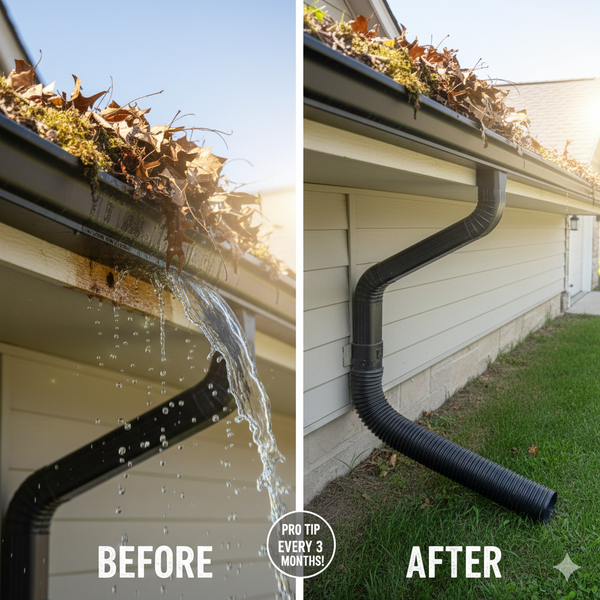
Water is a home's worst enemy. Clogged gutters can cause water to overflow, seep into your fascia boards, or worse, pool around your foundation. This can lead to wood rot, basement leaks, and expensive structural damage.

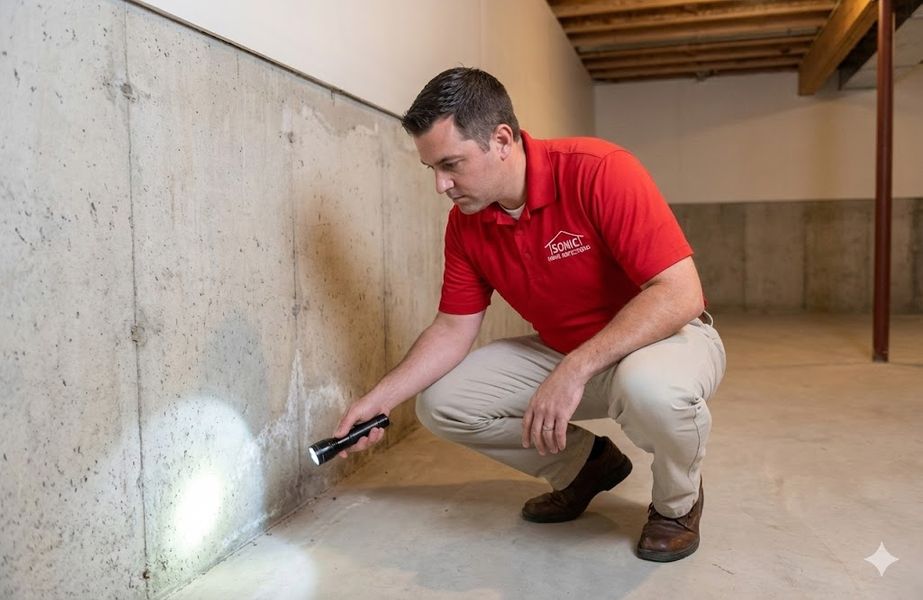
Why it matters to an inspector: Evidence of poor drainage around the foundation immediately raises concerns about potential water intrusion in the basement or crawl space.

Your easy fix: Clear all leaves and debris from your gutters. Then, ensure all downspouts are extended at least 5-10 feet away from the foundation. You can buy flexible downspout extenders at any hardware store for minimal cost.

Gemini_Generated_Image_lyiuf7lyiuf7lyiu (2).png

The "Sticky" Issue: Lubricate Sticking Windows and Doors

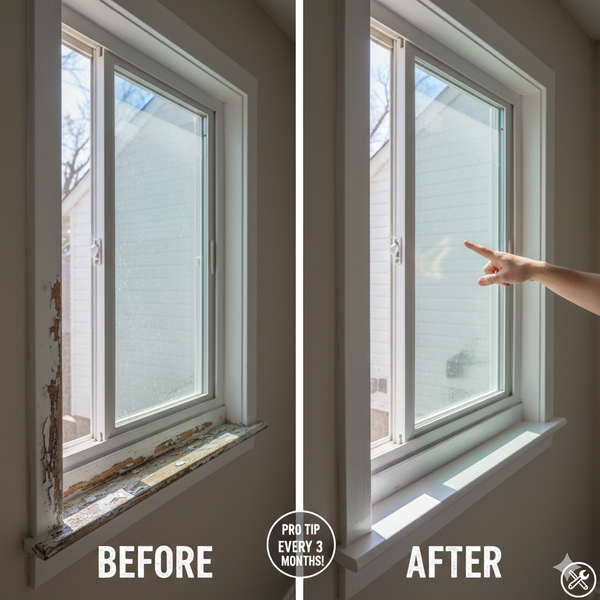
Imagine a buyer trying to open a window during an inspection, and it's jammed. Or a door that scrapes against the frame. These aren't major structural issues, but they create friction and suggest neglect.

Why it matters to an inspector: Windows that don't open or close properly can be safety hazards (e.g., fire escape routes) and are a clear functional defect.

Your easy fix: Use a silicone spray lubricant on window tracks and door hinges. For doors that scrape, check the hinges – sometimes tightening a screw or replacing a worn hinge can solve the problem.

Conclusion: Your Clean Report is Your Best Marketing Tool

By taking a proactive approach to these common inspection "red flags," you're not just saving yourself potential headaches; you're actively boosting the appeal and value of your home. A clean inspection report speaks volumes about the care you've put into your property and empowers your buyer to move forward with confidence.

Book Online Get a Quote (914) 255-6510